Chino highlight
Historic agricultural
Chino developed through the nineteenth and twentieth centuries as a center for dairy farming in Southern California, historically one of the region's largest agricultural industries.
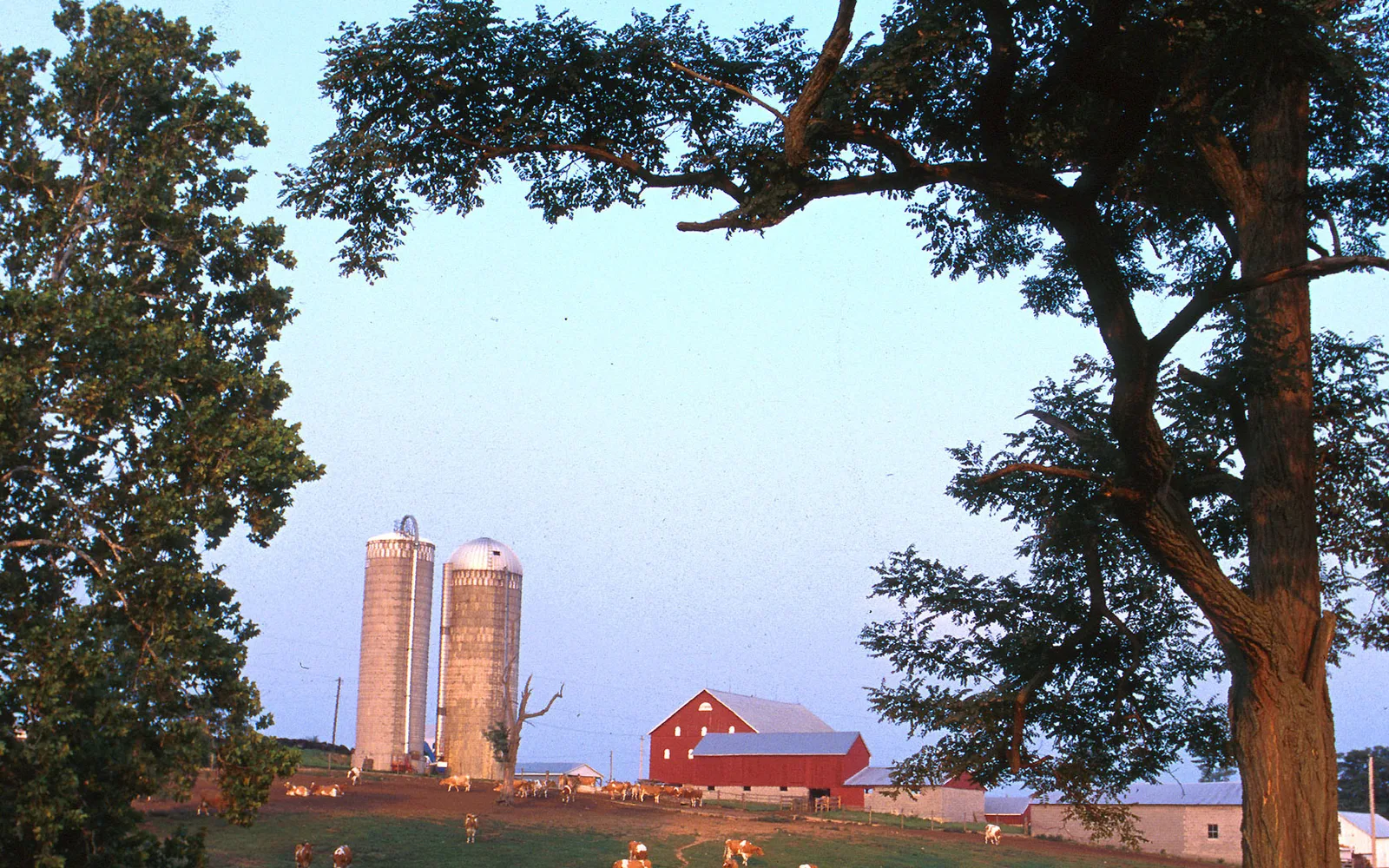
Chino's agricultural identity emerged in the late 1800s as the region's water access and open land attracted cattle ranches and dairy farms. By the mid-twentieth century, Chino had become one of Southern California's primary dairy regions, with hundreds of family-operated farms supplying milk to Los Angeles and surrounding counties. The industry was built on accessible grazing land, reliable water from local sources, and established transportation networks to regional markets.
The dairy era shaped Chino's character and economy for nearly a hundred years. Generations of farming families established roots in the community, and the agricultural landscape defined the city's identity and culture. Historic dairy operations supported not just the families who owned them, but entire networks of workers, processors, suppliers and transportation specialists throughout the region.
That agricultural heritage remains part of what families in Chino value about their city: a connection to working land, to the cycles of seasons and stewardship, and to building something that lasts across generations. Protecting that legacy for the next generation is part of the reason families buy life insurance, so that the people who care for what matters most have the security to continue it.